- This topic is empty.
-
AuthorPosts
-
18/11/2026 at 19:49 #6930
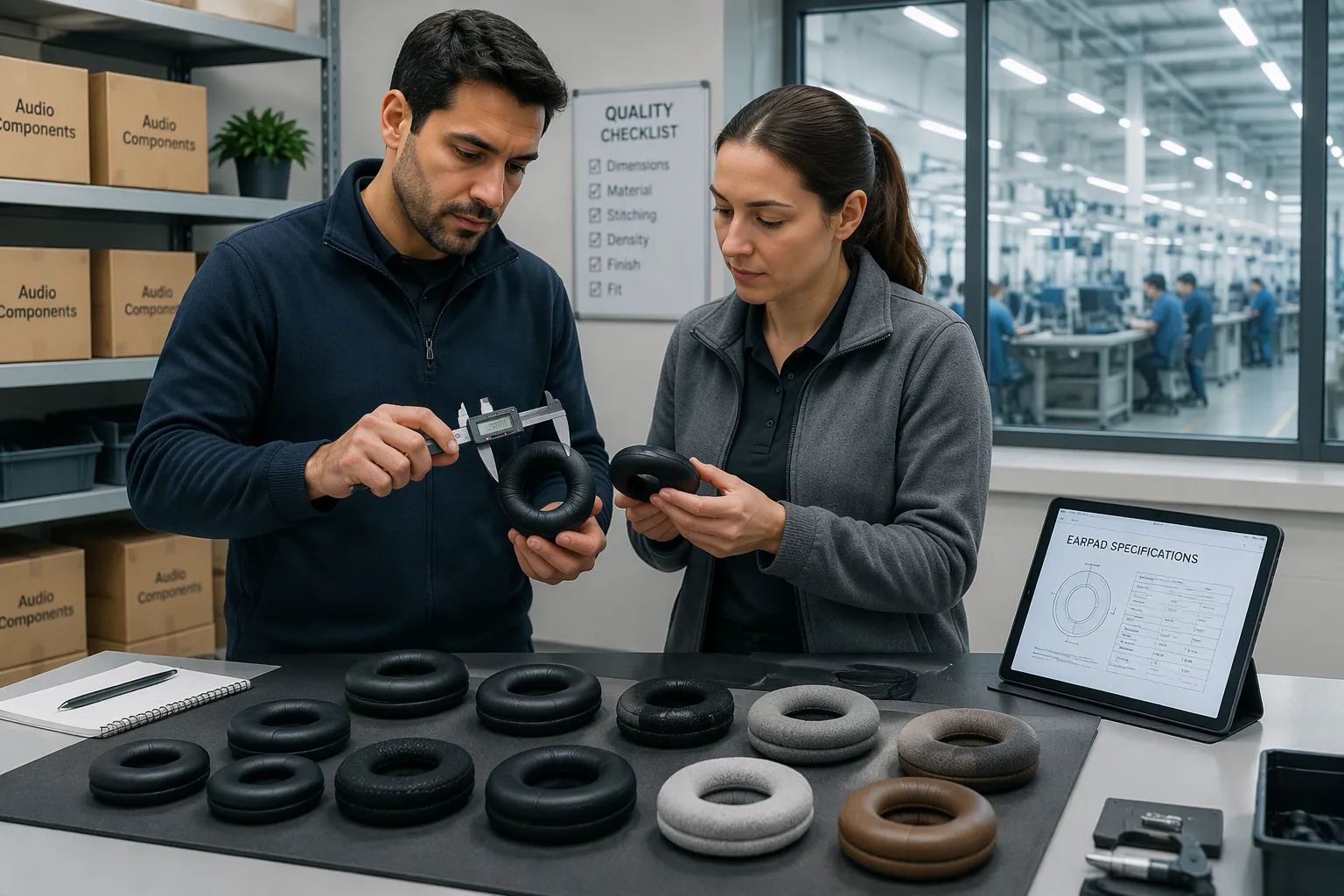
Image Source: statics.mylandingpages.co Sourcing custom earpads from China follows six steps: define specifications, identify and vet suppliers, manage quality control, handle logistics, ensure compliance, and negotiate costs. Each step depends on the one before it. Skipping a step creates rework, delays, or quality failures downstream. China custom earpad manufacturing for global audio brands offers deep expertise and capacity. Results depend on disciplined sourcing, not on the country alone.
Key Takeaways
- Write a detailed specification document before contacting suppliers. This document should list materials, dimensions, and performance targets. Clear specifications prevent costly sample revisions.
- Vet suppliers with a written checklist. Check their certifications, equipment, and sample quality. A scored checklist helps you compare suppliers fairly and avoid choosing on price alone.
- Build quality into every stage, from prototyping to pre-shipment inspection. Use a test plan with clear acceptance criteria. Catch defects early to avoid returns and delays.
Define Your Earpad Specifications
Specifications form the foundation of every sourcing project. A clear specification document tells each supplier exactly what to build, how to test it, and when the product passes. Audio brands that write this document before making contact avoid months of sample revisions later.
Choose Materials and Construction
Material choice drives comfort, durability, and acoustic behavior. Common options include protein leather for peel resistance, genuine sheepskin for breathability, velour for gaming sessions, and ice silk fabric for a cool touch. Memory foam and slow-rebound sponge shape the cushion’s pressure distribution. Construction method matters just as much. High-frequency heat welding, vacuum forming, and precision sewing each suit different geometries and finish levels. The specification should name the material for every layer, from the outer fabric to the foam core, and state the joining method for each seam.
Set Dimensions and Fit Tolerances
Earpads must match the headphone’s mounting geometry exactly. The document should record inner and outer diameters, depth, foam density, and the attachment style, whether snap-on, adhesive, or wrapped. Tolerances deserve equal attention. A fit tolerance of ±0.5 mm on a snap-on ring prevents loose pads and returns. Suppliers need these numbers in writing, not in a photo.
Specify Acoustic and Comfort Performance
Performance targets turn subjective qualities into testable criteria. Passive noise isolation, for example, can carry a target such as a 25dB reduction. Comfort targets might cover clamping pressure, foam rebound time, and cooling duration during extended wear. The specification should also define the test method for each target. A number without a method invites disagreement at inspection.
Find and Vet Chinese Suppliers
Supplier discovery marks the second step of the sourcing process. A brand now holds a finished specification document. The next task is to build a shortlist of manufacturers with the right materials, equipment, and experience. China custom earpad manufacturing for global audio brands spans hundreds of workshops. That depth rewards a structured search. It also punishes a careless one.
Use Trade Shows and Online Platforms
Trade shows give buyers direct access to factory representatives. Major audio and consumer electronics expos in Hong Kong, Guangzhou, and Shenzhen host earpad and headphone accessory exhibitors each year. A buyer can touch samples, inspect stitching, and compare foam density across a dozen booths in one afternoon. Face-to-face contact also reveals how a supplier handles technical questions. A sales team that answers tolerance questions on the spot usually reflects a factory with real engineering depth.
Online platforms widen the search beyond travel budgets. Alibaba, Global Sources, and Made-in-China list thousands of accessory manufacturers. Each listing shows product ranges, certification claims, and minimum order quantities. Buyers should treat these listings as a starting point, not a verdict. Platform badges and response rates measure sales activity. They say little about production discipline. A useful tactic is to shortlist ten to fifteen candidates from both channels, then filter them against the specification document. Suppliers who cannot discuss material layers or attachment geometry drop out quickly.
Leverage Referrals and Industry Networks
Referrals shorten the vetting curve. Audio brands, accessory distributors, and e-commerce sellers all hold supplier histories. A trusted contact can name factories that delivered on time and factories that struggled with tolerance control. Industry associations, sourcing agents, and trade publication editors also carry useful intelligence. Buyers should ask specific questions during these conversations. Which supplier handled a snap-on mold project well? Who resolved a foam density problem fast? Specific answers carry more weight than general praise.
Networks also reach beyond the buyer’s home market. A European brand may learn about a Dongguan manufacturer through a Southeast Asian distributor. Cross-border e-commerce communities often share factory reviews and sample photos. These informal records help buyers spot patterns. A supplier with repeated mentions for fast sampling deserves a closer look. A supplier with repeated complaints about fit tolerances warrants caution. Referrals do not replace formal vetting. They do reduce the pool to candidates worth the effort.
Apply a Supplier Vetting Checklist
A written checklist turns scattered impressions into comparable data. Buyers should score every shortlisted supplier against the same criteria. The table below covers the core items.
Criterion What to Verify Why It Matters Business license and factory status Legal entity name, registered capital, factory address Confirms the supplier is a manufacturer, not a trading shell Certifications ISO 9001, ISO 14001, RoHS material reports Signals documented process control and material safety Production equipment Vacuum forming, high-frequency welding, precision sewing lines Matches equipment to the construction methods in the specification Sample capability Sample lead time, in-house mold design Predicts how fast the supplier can iterate on a custom design Capacity Monthly output, current order load Shows whether the supplier can absorb the brand’s volume Quality process Incoming material checks, in-line inspection, final testing Reveals whether quality control is systematic or ad hoc Communication Response time, English technical fluency, willingness to share data Predicts how smoothly the project will run after the order Buyers should request evidence for each line. Certificates need verification against the issuing body. Factory photos and video tours should match the stated address. A sample request tests the supplier’s real capability better than any brochure. The checklist works best as a scoring sheet. Each criterion receives a score, and the total ranks the shortlist. This discipline protects the brand from choosing on price alone. It also creates a written record for the next sourcing cycle.
Build a Quality Assurance Process

Image Source: unsplash Quality assurance turns a specification document into a repeatable product. The process begins with the first sample and continues through every shipment. Brands that treat quality as a final checkpoint discover problems too late. Brands that build quality into each stage catch defects while corrections remain cheap. China custom earpad manufacturing for global audio brands operates at high volume. A disciplined quality process protects that volume from turning into a pile of returns.
Start with Prototyping and Samples
Prototyping validates the specification before mass production begins. The buyer sends the specification document to the shortlisted supplier. The supplier responds with a sample that tests materials, dimensions, and construction methods. This first sample rarely passes every criterion. That outcome is normal and useful. Each gap reveals where the specification needs clarification or where the supplier needs adjustment.
A structured sample review keeps the process efficient. The buyer should evaluate the sample against the written specification, not against memory or general impression. A sample evaluation form works well here. It lists every specification line and records a pass or fail for each one. Photos of the sample next to the original earpad help document fit and appearance. Measurements taken with calipers confirm dimensions. A wear test of several hours reveals comfort issues that a quick inspection misses.
Sample rounds should follow a fixed sequence. The buyer reviews round one, sends consolidated feedback, and requests round two. Consolidated feedback matters. Scattered comments across emails and chat messages create confusion and slow iteration. A single feedback document with numbered points keeps the supplier focused. Most projects need two to three rounds before the sample meets the specification. A supplier with strong in-house mold design and sample development capability can compress this cycle. Fast sampling shortens the path to production and reduces total project cost.
The buyer should also request samples in the final production materials. A sample made with substitute foam or fabric proves nothing about the production run. Material consistency between sample and mass production belongs in the contract. The approved sample then becomes the golden reference. Both parties keep a signed copy, and the factory uses it as the benchmark for every production batch.
Set Testing Standards and Acceptance Criteria
Testing standards convert quality into measurable numbers. The specification document already defines performance targets. The quality assurance process now assigns test methods, sample sizes, and acceptance thresholds to each target. Without these details, the buyer and supplier will disagree about what “passing” means.
The test plan should cover four areas: material, dimensional, acoustic, and durability. Each area carries its own methods and criteria. The table below shows a practical framework.
Test Area Test Method Acceptance Criterion Material composition Supplier material certificates and lab reports Matches the approved sample material list Dimensions Caliper measurement on a defined sample size Within the stated tolerance, such as ±0.5 mm Passive noise isolation Standardized acoustic test against the original earpad Meets or exceeds the target reduction, such as 25dB Foam rebound Compression test with timed recovery measurement Recovers within the specified time window Surface durability Abrasion and peel testing on the outer material No peeling or cracking after the defined cycle count Attachment fit Repeated install and removal cycles Snaps securely with no loosening after the defined cycles Sample size deserves explicit agreement. A supplier might test three units and call the batch good. A buyer might expect thirty. The test plan should state how many units come from each production lot and how the factory selects them. Random selection from the lot gives more reliable data than hand-picked units.
Acceptance criteria should include a defect classification. Critical defects, such as a failed acoustic seal or a toxic material, trigger rejection of the entire lot. Major defects, such as a visible seam or an out-of-tolerance dimension, allow rework or a negotiated discount. Minor defects, such as slight color variation within an agreed range, pass with a recorded note. This three-tier system prevents all-or-nothing disputes. It also tells the factory where to focus its inspection effort.
A test method without a stated sample size and acceptance threshold is an opinion, not a standard.
The buyer should confirm that the supplier can perform each test in-house or through an accredited lab. Acoustic testing often requires specialized equipment. A supplier without that equipment can still meet the standard through a third-party lab. The cost and lead time of outside testing belong in the quotation. The buyer should also retain the right to send random samples to an independent lab. This right keeps the factory’s self-reported data honest.
Arrange Pre-Shipment Inspections
Pre-shipment inspection catches problems before goods leave the factory. The inspection happens after production finishes and before the shipment departs. It gives the buyer a final chance to verify quality while correction remains possible. Goods that fail inspection at the factory can be reworked. Goods that fail after arrival require return shipping, replacement production, and lost sales time.
The inspection should follow a written checklist derived from the test plan. A qualified inspector pulls a random sample from the finished lot and checks each item against the acceptance criteria. Dimensional checks, visual inspection, attachment fit tests, and packaging review all belong on the list. The inspector photographs defects and records counts by defect class. The inspection report goes to the buyer before the shipment releases.
Third-party inspection firms provide an independent set of eyes. Their inspectors work across many factories and apply consistent methods. The cost of an inspection is small compared with the cost of a rejected container. For a first order with a new supplier, a third-party inspection is close to essential. For repeat orders with a proven supplier, the buyer might alternate between third-party inspections and the supplier’s own reports. This pattern balances cost against risk.
The buyer should define the inspection standard in the purchase contract. Common standards specify the sample size and the acceptable quality limit for each defect class. The contract should also state what happens when a lot fails. Options include full rework, a replacement production run, or cancellation with a refund. Clear consequences motivate the factory to prepare for inspection properly.
Inspection timing matters as much as inspection method. An inspection scheduled too early catches incomplete production. An inspection scheduled too late leaves no time for rework before the shipping deadline. The buyer should build a buffer into the production schedule. A buffer of several days between inspection and shipment allows the factory to correct minor issues without delaying the vessel booking.
A final step closes the loop. The buyer records inspection results and compares them across orders. Patterns emerge over time. A supplier with repeated minor defects in one area needs targeted feedback. A supplier with clean reports across several orders earns more trust and possibly more volume. This record also supports the supplier scorecard used in the negotiation stage. Quality data turns supplier management from guesswork into evidence.
Plan Logistics and Supply Chain
Logistics planning connects the finished earpads to the brand’s warehouse. A clear plan protects delivery dates and controls landed cost. China custom earpad manufacturing for global audio brands involves ocean freight, air freight, and express couriers. Each option fits a different order size and urgency.
Select Shipping Methods and Incoterms
Ocean freight suits large orders and long lead times. Air freight moves smaller batches fast at a higher rate. Express couriers handle samples and urgent replenishment. The Incoterm choice decides who pays freight, insurance, and customs duties. The table below compares common terms.
Incoterm Seller Handles Buyer Handles Best Fit EXW Factory pickup only All freight and customs Buyers with a freight forwarder FOB Export clearance and loading Ocean freight and import Most first orders CIF Freight and insurance to port Import clearance and inland delivery Buyers new to importing DDP Delivery to buyer’s door Nothing beyond receipt Small brands testing a market Confirm Lead Times and Production Capacity
Lead times break into sample development, production, and transit. The supplier should confirm each stage in writing. Production capacity deserves a direct question. A factory with monthly output above 180,000 sets can absorb seasonal peaks. The buyer should also ask about current order load. A capacity check prevents a promised date from slipping.
Manage Inventory and Reorder Points
Inventory planning balances holding cost against stockout risk. The buyer sets a reorder point from average daily sales and supplier lead time. A safety stock buffer covers transit delays. Earpads carry a long shelf life, so modest buffer stock costs little. Regular review of sales data keeps reorder points accurate.
Navigate Regulatory Compliance
Compliance protects the brand from customs delays, fines, and product recalls. Each target market applies its own rules to imported audio accessories. A disciplined compliance review happens before the first shipment, not after a customs hold.
Confirm Product Certifications
Certifications prove that materials and processes meet recognized standards. Buyers should collect current certificates from the supplier and verify each one against the issuing body. The table below lists the core certifications for earpad manufacturing.
Certification Scope What It Confirms ISO 9001 Quality management Documented process control across production ISO 14001 Environmental management Controlled environmental impact in manufacturing RoHS Material safety Restricted hazardous substances stay within limits Certificates expire. The buyer should record expiry dates and request renewals before they lapse. A supplier with active certifications demonstrates systematic management. Material test reports should accompany each production batch.
Understand Import Rules in Target Markets
Each market sets its own import requirements. North America enforces Federal Communications Commission rules for electronic accessories and California Proposition 65 warnings for certain materials. Europe requires CE marking where applicable and Registration, Evaluation, Authorisation and Restriction of Chemicals compliance for chemical content. Southeast Asian countries apply varied tariff schedules and labeling rules. Australia maintains strict biosecurity and consumer product safety standards. The buyer should confirm the specific rules for each destination before booking freight.
Prepare Documentation and Labeling
Documentation must match the shipment exactly. A commercial invoice, packing list, bill of lading, and certificate of origin form the core set. Customs officials compare these documents against the goods. Any mismatch triggers inspection and delay. Labels must carry the correct country of origin, material content, and care instructions in the destination language. The buyer should approve label artwork before production begins. A pre-shipment document review catches errors while correction remains cheap.
Negotiate Costs and Contracts
Cost negotiation closes the sourcing process. A brand that reaches this stage holds a verified supplier, an approved sample, and a tested quality process. The negotiation now sets the commercial terms that govern every future order.
Benchmark Pricing and Total Cost
Unit price tells only part of the story. Buyers should benchmark quotes against several suppliers and against the total cost of ownership. Tooling fees, sample charges, inspection costs, freight, and duties all belong in the comparison. A low unit price with expensive tooling can cost more over a two-year program. China custom earpad manufacturing for global audio brands rewards buyers who compare full cost structures, not headline numbers. Custom mold design and material upgrades shift the cost base, so the buyer should request itemized quotations. An itemized quote reveals where savings are possible, such as consolidating material orders or adjusting order volume.
Structure Payment and Contract Terms
Payment terms balance risk between buyer and supplier. The table below shows common structures.
Structure Typical Split Best Fit Standard 30% deposit, 70% before shipment Established suppliers Milestone Deposit, sample approval, shipment First orders Net terms Payment after delivery Long-term partners The contract should define the approved sample as the quality benchmark, state inspection standards, and set remedies for failed lots. Clear terms prevent disputes later.
Build Long-Term Supplier Relationships
Strong supplier relationships lower cost and risk over time. Buyers should share forecasts, give structured feedback on each order, and pay on schedule. A supplier that understands the brand’s volume plans can reserve capacity and hold material prices. Regular business reviews keep both sides aligned on quality data and delivery performance. Long partnerships also speed up custom development, because the factory already knows the brand’s tolerances and material preferences.
The six-step sourcing process gives audio brands a reliable path from specification to contract. Defining specifications before contacting suppliers remains the single highest-leverage decision. Due diligence in vetting, testing, and compliance protects brand reputation and prevents costly delays. China custom earpad manufacturing for global audio brands rewards this discipline. A small pilot order validates a supplier before scaling volume.
FAQ
How long does custom earpad sampling take?
Sampling typically takes two to five days with a capable manufacturer. Suppliers with in-house mold design and automated lines compress this cycle. Buyers should confirm sample lead time during vetting.
What minimum order quantity should a brand expect?
Minimum order quantities vary by supplier and material. Many Chinese earpad manufacturers now offer low MOQs suited to pilot runs. Buyers should negotiate volume tiers before committing to a full production schedule.
Which certifications matter most for earpad imports?
ISO 9001, ISO 14001, and RoHS form the core set. Each certificate confirms documented process control or material safety. Buyers should verify expiry dates and request batch-level material test reports.
See Also
Avoid Making Incorrect Aluminum Casting Process Choices Ever Again
http://www.boruileather.com
Dongguan Borui Leather Products Co., Ltd. -
AuthorPosts

- You must be logged in to reply to this topic.